The “Weather Defense” Myth
In Pennsylvania, insurance companies often use “snowy conditions” or “black ice” as a shield to deny liability, labeling pileups as unavoidable “Acts of God.” However, the law is clear: every driver has a duty to maintain a speed that is “reasonable and prudent” for the current conditions. In a 12-vehicle crash like the one on I-78, the legal battle centers on identifying which drivers—particularly commercial truck operators—failed to adjust for visibility and slippery roads. Proving that a driver was traveling too fast for the snow is the difference between a denied claim and the compensation needed for recovery.
The Accident Brief
- Incident Date: Saturday morning, January 17, 2026.
- Location: Interstate 78 Westbound, near mile marker 39.1, Greenwich Township, Berks County, PA.
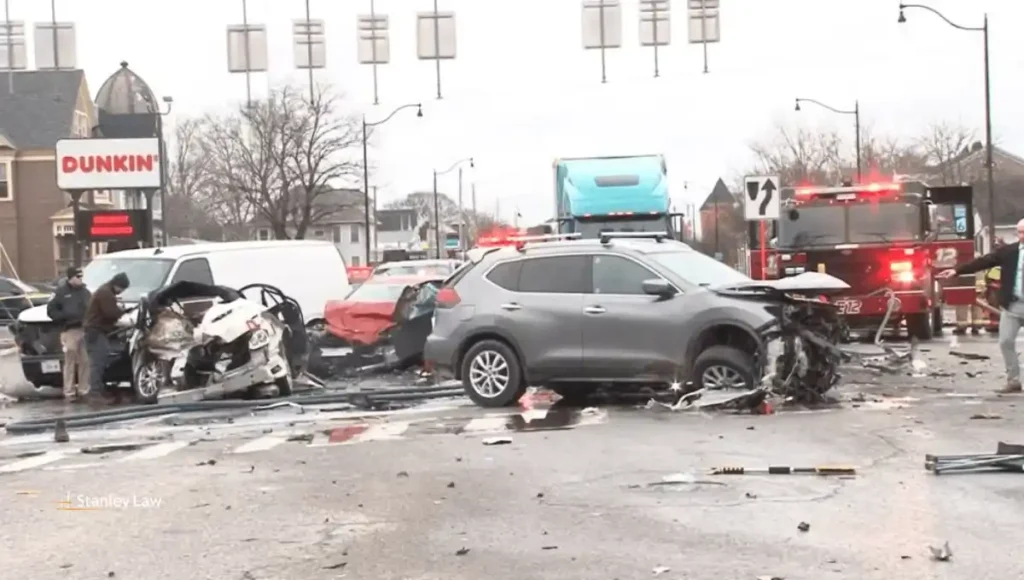
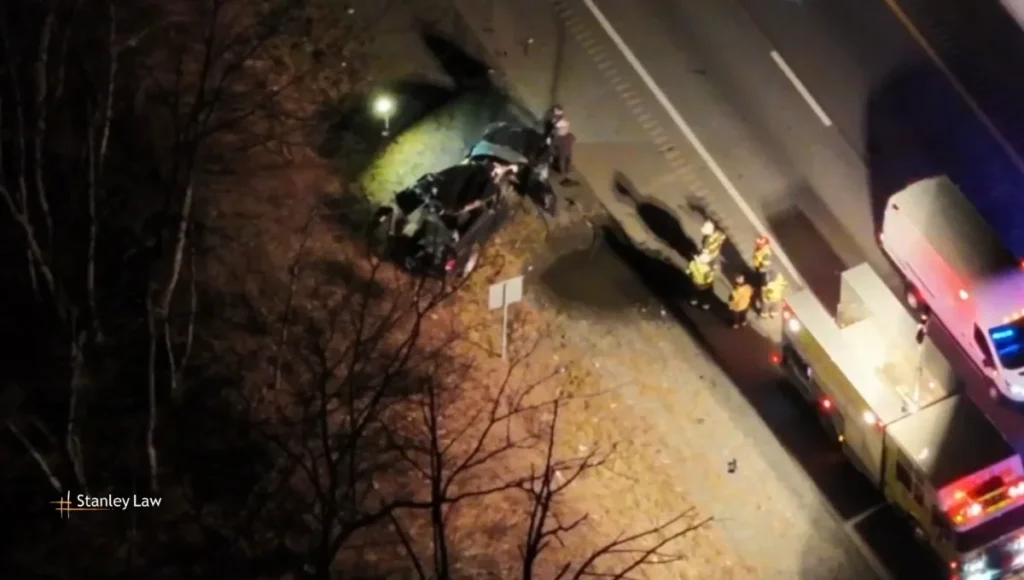
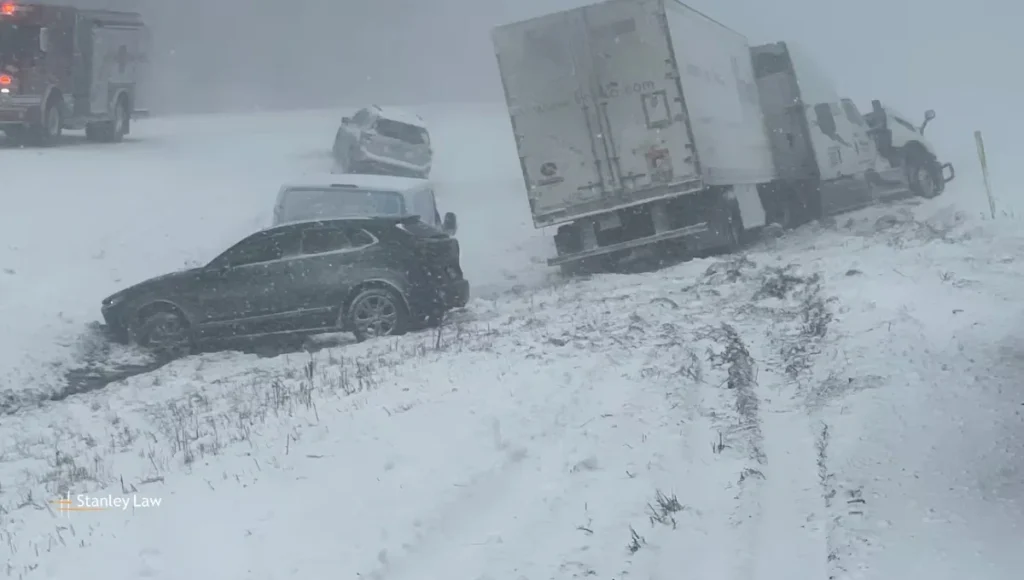
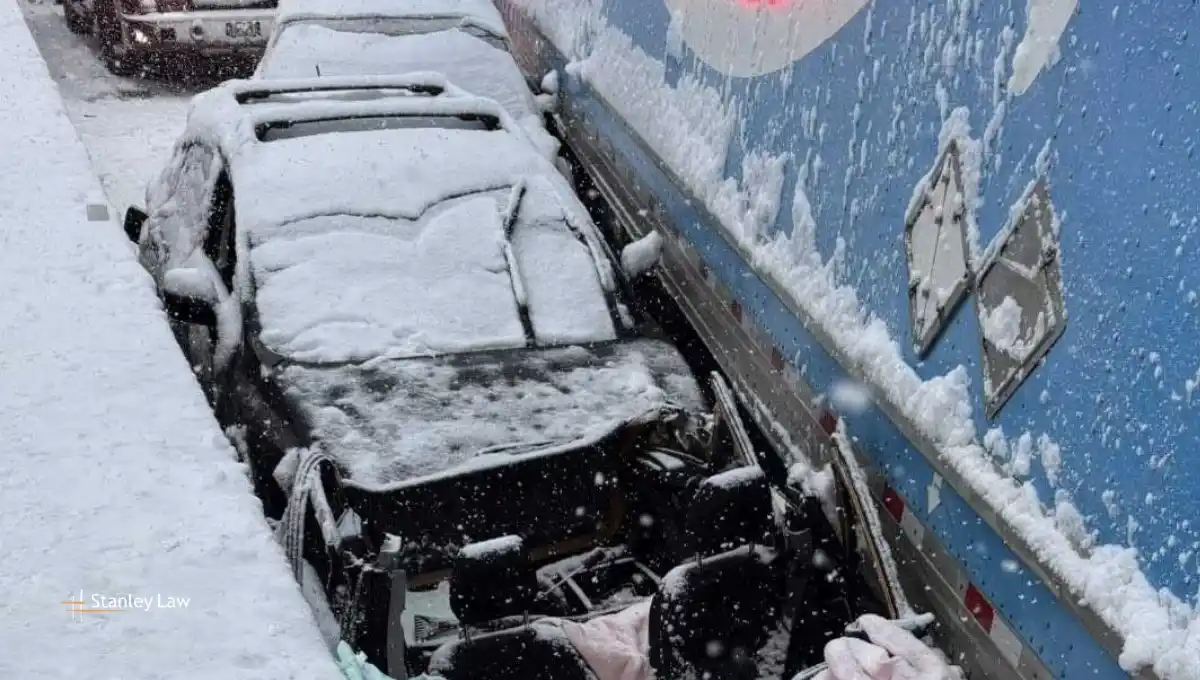
- The Conflict: A massive pileup involving 12 vehicles—including four commercial tractor-trailers and eight passenger cars—occurred during heavy snowfall and reduced visibility.
- Outcome: The highway was shut down for approximately eight hours; emergency crews worked to free trapped occupants and provided medical care at the scene. The Pennsylvania State Police investigation into the sequence of impacts is ongoing.
Legal Analysis: Pennsylvania Multi-Vehicle Liability
- Modified Comparative Negligence (42 Pa. C.S. § 7102): Pennsylvania follows the “51% Rule.” You can recover damages as long as you are not more than 50% at fault. In a pileup, we analyze every impact to ensure you aren’t unfairly assigned blame for a chain reaction you didn’t start.
- The Fair Share Act & Joint Liability: Under Pennsylvania law, if a defendant is found 60% or more at fault, they can be held liable for 100% of the damages. This is a critical protection in multi-vehicle crashes where one driver (such as a speeding semi-truck) initiates the disaster.
- Commercial Vehicle Duty of Care: Tractor-trailers are governed by strict federal safety standards. If a professional driver continued to operate at high speeds through a winter storm, the trucking company may face significant liability for the resulting injuries.
Immediate Action Steps: Preserving Evidence Before it Fades
On a high-speed interstate like I-78, evidence is cleared within hours to restore traffic. To protect your rights, you must secure digital and physical data that standard police reports may miss:
- ECM (Black Box) Preservation: Commercial trucks and many passenger cars record speed and braking data. We must issue a Spoliation Letter immediately to legally prevent insurance companies from overwriting or destroying this digital evidence.
- Forensic Weather Reconstruction: We employ meteorologists to reconstruct the exact visibility and road temperature at mile marker 39.1 at the moment of impact. This refutes the “unavoidable accident” defense by proving a reasonable driver would have slowed down.
- Dash Cam Canvas: In a 12-car pileup, third-party footage is vital. We search for dash cam video from non-involved commuters who drove past the scene to identify the “trigger vehicle” that began the chain reaction.
- Witness Coordination: Independent witnesses often leave the scene once emergency crews arrive. Identifying and interviewing these individuals immediately is critical to establishing the correct sequence of impacts.
Contact Our Pennsylvania Multi-Vehicle Accident Lawyer
If you or a loved one was injured in the 12-vehicle pileup on I-78, the insurance companies are already working to shift the blame to the weather. Don’t let them. Contact Stanley Law Offices at 888-997-3889 for a free, confidential evaluation of your case. Our PA multi-vehicle accident lawyer handles complex multi-vehicle claims and holds the negligent parties accountable.